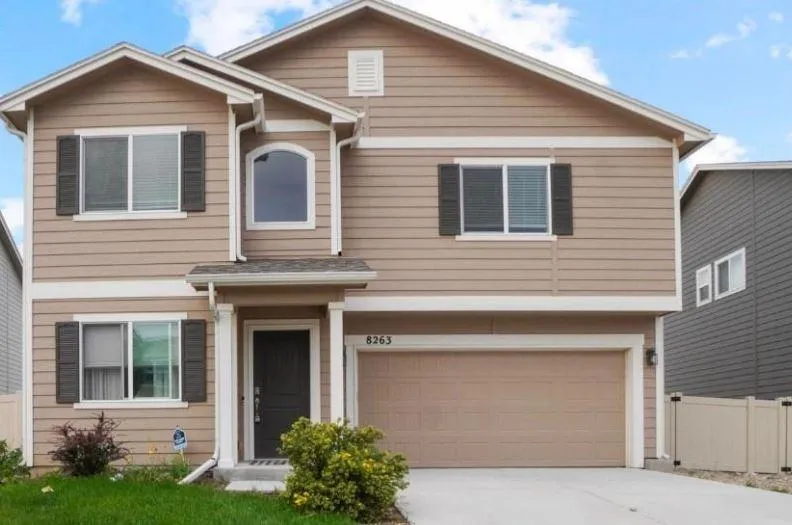
How to Price Your Home to Sell in Colorado
Pricing your home correctly is one of the most important decisions you'll make when selling a home in Colorado. Price too high and you may sit on the market, lose buyer attention and eventually need a price reduction. Price too low and you could leave money on the table.
The right listing price isn't based on a Zestimate, a neighbor's asking price or simply what you hope to get for your home. It should be based on recent comparable sales, current competition, your home's condition and features, buyer demand, and what's happening in your specific Colorado neighborhood.
At Ohana Style Realty, we help homeowners throughout Denver Metro and the Colorado Front Range build a pricing strategy around the actual market...not guesswork. The goal isn't just to sell your home. It's to position it correctly from day one so you can attract serious buyers, negotiate from a stronger position and maximize your net proceeds.
Why Colorado Home Pricing Is Hyperlocal
There is no single “Colorado real estate market.” Home values can behave very differently from one city, neighborhood, and even subdivision to the next. A pricing strategy that works in Littleton may not make sense in Lakewood, Highlands Ranch, Centennial, Parker, Castle Rock, Aurora, or another Denver Metro community.
When I determine a home's potential market value, I look beyond a simple price-per-square-foot calculation. Recent comparable sales matter, but so do active competition, pending sales, days on market, price reductions, property condition, upgrades, lot characteristics, location, buyer demand, and how your home compares with the properties buyers are seeing right now.
This is also why online home-value estimates should be treated as a starting point...not a listing strategy. An algorithm can't walk through your home, evaluate the quality of your improvements, understand your specific location within a neighborhood, or see how today's buyers are responding to competing properties.
The goal is to determine the price range where your home can attract serious buyers while still protecting your equity and giving us the strongest possible negotiating position.
Why Your Initial Listing Price Matters
The first days your home is on the market can be some of the most important. A new listing gets the attention of buyers who have been actively watching the market, receiving property alerts, and waiting for the right home to become available.
If your home enters the market noticeably overpriced, buyers may skip it in favor of competing properties that appear to offer better value. As days on market begin to accumulate, buyers may start wondering why the home hasn't sold. Even after a price reduction, you may not completely recreate the attention you had when the property first hit the market.
On the other hand, pricing strategically doesn't mean automatically pricing your home below market value. It means positioning the property where its condition, location, features, current competition, and recent comparable sales support the asking price.
That's why I would rather establish a pricing strategy before we list than spend the next several weeks chasing the market with price reductions.

Does the Time of Year Affect How Much Your Colorado Home Will Sell For?
Yes, seasonality can affect buyer activity, inventory, competition, and ultimately your pricing strategy—but there isn't one “best month” to sell every Colorado home.
Spring and early summer often bring more buyers into the market, but they can also bring more competing listings. During slower periods, there may be fewer buyers actively searching, but your home may also face less competition. Interest rates, local inventory, school schedules, weather, economic conditions, and what's happening within your specific neighborhood can matter just as much as the season.
That's why I don't recommend choosing a listing date based solely on a generic rule like “spring is the best time to sell.” Instead, we look at current buyer demand, competing homes, recent sales, your property's condition, and your personal timeline to determine when listing makes the most sense.
If you need to sell during a traditionally slower time of year, that doesn't mean you're stuck accepting a bad result. The right price, preparation, marketing, and negotiation strategy can still put you in a strong position.
Get the Right Pricing Strategy for Your Colorado Home
Pricing a home correctly is part market analysis, part strategy, and part understanding how buyers will compare your property with everything else available. The right price isn't necessarily the highest price you can put on the listing...it's the price that gives you the best opportunity to attract qualified buyers, negotiate from a position of strength, and maximize your net proceeds.
At Ohana Style Realty, I help homeowners throughout Littleton, Lakewood, Highlands Ranch, Centennial, Parker, Castle Rock, Aurora, Denver, and the surrounding Colorado Front Range understand what their home is realistically worth and build a selling strategy around their individual goals.
If you're considering selling, the first step doesn't have to be listing your home. We can start by looking at your property, recent comparable sales, current competition, and your timeline to determine what selling today could realistically look like for you.
FAQs:
1. How do I determine the right listing price for my Colorado home?
The right listing price should be based on more than an online estimate or a simple price-per-square-foot calculation. I look at recent comparable sales, active competition, pending sales, days on market, price reductions, your home's condition and upgrades, lot and location characteristics, and current buyer demand in your specific neighborhood.
Because Colorado real estate is hyperlocal, the right pricing strategy can vary significantly between communities...and even between neighborhoods within the same city. A personalized market analysis can help establish a realistic price range based on what buyers are actually paying today.
2. What happens if I price my Colorado home too high?
Overpricing can cause qualified buyers to skip your home in favor of competing properties that appear to offer better value. As days on market accumulate, buyers may begin wondering why the property hasn't sold, which can weaken your negotiating position.
You can reduce the price later, but a price reduction doesn't always recreate the attention a new listing receives when it first hits the market. That's why establishing a realistic pricing strategy before listing can be more effective than starting high and chasing the market downward.
3. Should I make repairs or improvements before pricing my home?
Sometimes—but not every improvement is worth the money. Minor repairs, fresh paint, cleaning, landscaping, or addressing obvious deferred maintenance may improve how buyers perceive a property, while larger renovations may cost more than you're likely to recover when the home sells.
Before spending money, I recommend comparing what the home could realistically sell for as-is against its potential value after the proposed improvements. The goal should be maximizing your net proceeds, not simply achieving the highest possible sales price.
4. Does the time of year affect home prices in Colorado?
Seasonality can affect buyer activity, inventory, and competition, but there isn't one best month to sell every Colorado home. Spring and early summer may bring more buyers, but they can also bring more competing listings.
Interest rates, local inventory, neighborhood demand, property condition, price range, and your personal timeline can matter just as much as the season. The best listing strategy should be based on what's happening in your specific market when you're preparing to sell.
5. Why should I work with a local Colorado real estate agent when pricing my home?
A local real estate agent can evaluate factors an automated home-value estimate may miss, including your home's condition and improvements, recent neighborhood sales, active competition, buyer demand, location within the community, and current market trends.
At Ohana Style Realty, I use local market data and firsthand knowledge of Denver Metro and Colorado Front Range communities to help sellers establish a pricing strategy designed to attract qualified buyers, protect their negotiating position, and maximize their potential net proceeds.


