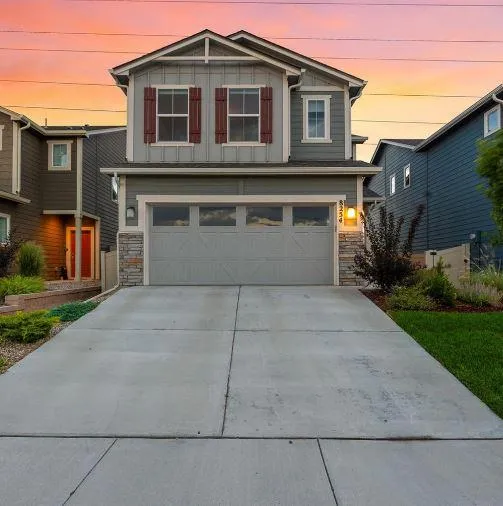
How Seller Concessions Can Help Colorado Homebuyers Cover Closing Costs | Ohana Style Realty
Imagine this: you've found the perfect house in Colorado. The views of the mountains, the warm fireplace, and the excellent kitchen all check the boxes. But when you tally up all the fees, the goal suddenly seems out of reach. What if the merchant could really assist in paying for those things?
That's when seller concessions come into play. This tutorial will explain what seller concessions are, how they function, and how they can help you buy a property in Colorado's 2025 real estate market.
What Are Seller Concessions?
Seller concessions are when the seller gives money to the buyer to help them pay for certain fees that come up when they buy a home. Some of these costs could be:
• Appraisal fees
• Title insurance
• Loan origination or discount points
• Attorney or escrow fees
• Property taxes or prepaid insurance
In short, it's a nice money boost from the seller to make things easier for both sides. The amount is normally agreed upon as part of the purchase agreement, and it is often limited by the kind of financing (for example, FHA, VA, or conventional loans).
Why Seller Concessions Matter in Colorado’s 2025 Market
Many purchasers today have to deal with high mortgage rates and rising housing prices, which makes it harder to pay for things up front. Based on housing data from 2025, Colorado's average closing costs are between 2% and 5% of the price of the home.
If you buy a $500,000 property, that could mean paying $10,000 to $25,000 more than your down payment.
For most first-time purchasers, that's a lot of money. Seller concessions can help buyers move forward with confidence and help sellers conclude agreements faster in competitive markets by closing the financial difference.

First-time homebuyers programs in Colorado
How Seller Concessions Work: A Simple Example
You want to buy a house in Littleton, Colorado, for $450,000. You and the seller agree on a final price after an inspection and appraisal. Instead of decreasing the price even more, the seller provides you $10,000 in concessions to assist you in paying for closing costs.
Here’s what happens:
1. You pay less upfront at closing.
2. The seller’s contribution reduces your total out-of-pocket expenses.
3. You still secure financing for the agreed purchase price.
What happened? You save money for moving costs, furniture, or house upgrades you want to make in the future. You gain relief, and the seller gets the sale done.
When Seller Concessions Make the Most Sense
Seller concessions are most helpful when:
• You’re a first-time buyer with limited savings.
• You’re purchasing in a buyer-friendly market where sellers are open to negotiation.
• You want to balance cash flow after closing for repairs or upgrades.
• You’re using financing types like FHA or VA loans, which often allow concessions up to a certain percentage.
Your real estate agent can help you get concessions that work for both you and your lender.
Real Example from Colorado Homes
A buyer in Denver recently saved almost $8,500 in closing expenses by getting the seller to give them a break on the price of a two-bedroom condo. The money paid for the appraisal, title insurance, and some of the loan fees, which let the buyer save money for future repairs.
This tactic is now widespread on the Front Range, especially for buyers who are competing in mid-tier areas where sellers would rather offer incentives than lower prices.
Benefits of Seller Concessions
For Buyers:
• Lowers costs up front.
• Keeps more money in your pocket once the deal is done.
• Helps lessen the effects of rising interest rates.
For sellers:
• It makes the property more appealing to purchasers.
• It can help the process of selling go faster.
• A lot easier than cutting the price of the listing by a lot.
Common Mistakes to Avoid
Asking for too much: Lenders normally only allow concessions of 3% to 6% of the price.
Not paying attention to the market: It may be harder to get concessions in a strong seller's market.
Not reviewing the lender: Before you make your offer, always check with your lender to be sure they would accept concessions.
Conclusion
You don't have to spend all your money to buy a house in Colorado. Seller concessions can help you pay for your closing expenses which will ease the financial burden and let you move in sooner if you negotiate wisely and get the correct advice.
Contact Ohana Style Realty if you're ready to look at houses or want to know how seller concessions could help you. We treat every customer like family and help them through every stage of the homebuying process with love, trust, and knowledge of the area.
FAQs
1. What’s the difference between seller concessions and price reductions?
A price drop makes the residence cost less to buy. A seller concession pays for some buyer costs without increasing the total price.
2. Can all loan types allow seller concessions?
Most of them do, but only to a point. FHA loans usually let you borrow up to 6%, VA loans up to 4%, and conventional loans up to 3%.
3. Who pays the seller concession at closing?
The seller pays for the concession with the money they make from the transaction. It's in the contract and is final when the deal closes.
4. Can seller concessions cover a down payment?
No. You can't use them for the down payment; only for closing charges or prepayment costs.
5. How do I ask for seller concessions without losing the deal?
Offer fair terms and show that you are financially ready. A good real estate agent may make your request seem like a win-win situation.
Read More
Your Dream Colorado Home is Closer Than You Think: A Guide to Down Payment Help


